The nomatsiguenga people live in the central jungle of Peru. We came to live with them.
The field is not the place where we “do missions.” It is the place where we live — with our family, our neighbors, the same sounds and the same questions they have. John said it of the Word itself: it became flesh and dwelt among us. Living among people is not a strategy. It is the model.
The Antioquia Mission Base (BMA) is a community of missionary families that lives in the midst of a nomatsiguenga community, in the central jungle of Peru. It is an operations base for missions, but above all, it is our home.
We arrived in 2025 together with Karina, our oldest daughter. That same year we learned of the gift of Natán’s arrival. Today we live here with our two children. What we found was a people with their own language, their own history and Bible translation work already under way — and now, with our involvement, we are working to develop the language and reading comprehension, as well as to encourage one another among the missionary families so we can carry the gospel forward effectively.
≈ 11,000
people of the nomatsiguenga community (2017 Census)
2025
year the Rosas Maya family arrived at the BMA
Pangoa
Valley
province of Satipo, region of Junín — in the central region of Peru
A community built so that fieldwork is not loneliness.
The Antioquia Mission Base has existed for ten years. It is a community of families from different denominations who live together, in the midst of the nomatsiguenga communities, with a shared purpose: that this people have the Bible in their language, the ability to keep developing it, and to grow spiritually on their own — to the point that, one day, they might be the ones who send missionaries to other peoples.
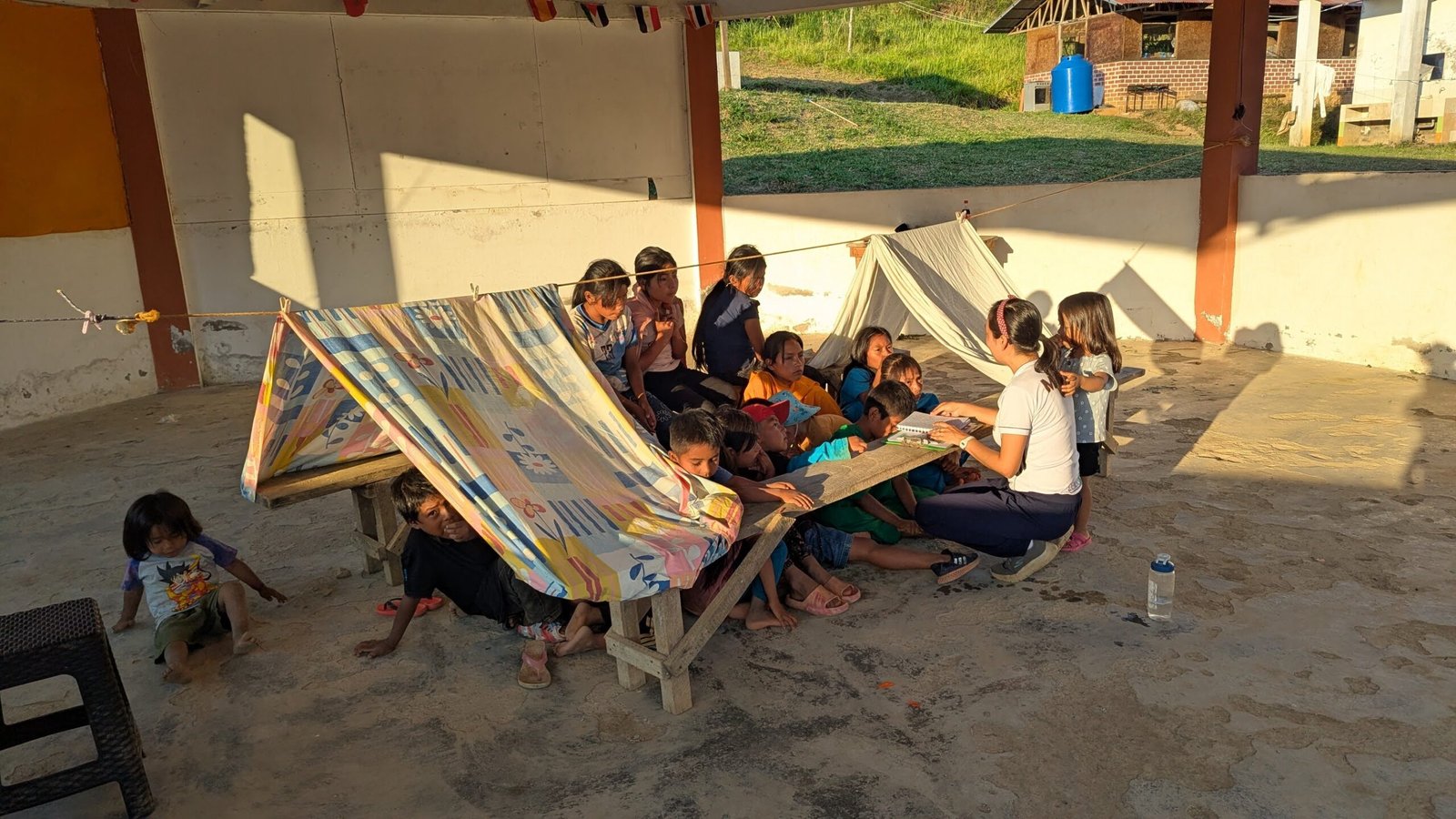
Living at the BMA is not living in isolation: it is living in community, with neighbors from different countries, a school for the children, and the jungle in front of us. A normal life in a setting that is anything but ordinary.
A language that is still beating.
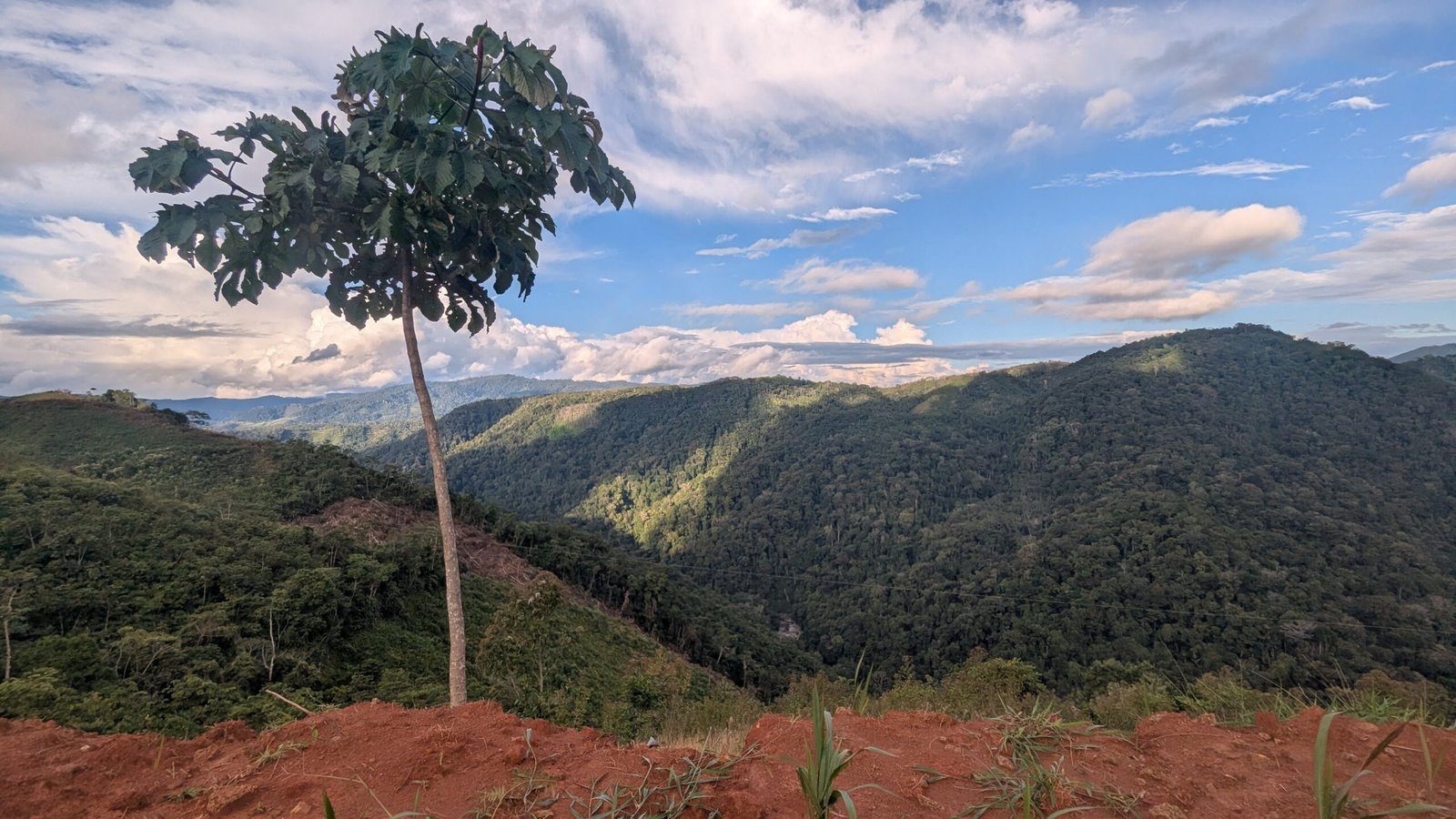
The nomatsiguenga are a people of the Amazon basin, specifically of the high jungle (selva alta), and belong to the Arawak language family. They are spread across around 34 indigenous communities throughout the Pangoa Valley, in the province of Satipo, region of Junín, in the basin of the Pangoa river and its tributaries. They share territory with neighbors such as the Asháninka and the Matsigenka in the jungle, and with the Quechua Wanca toward the mountains.
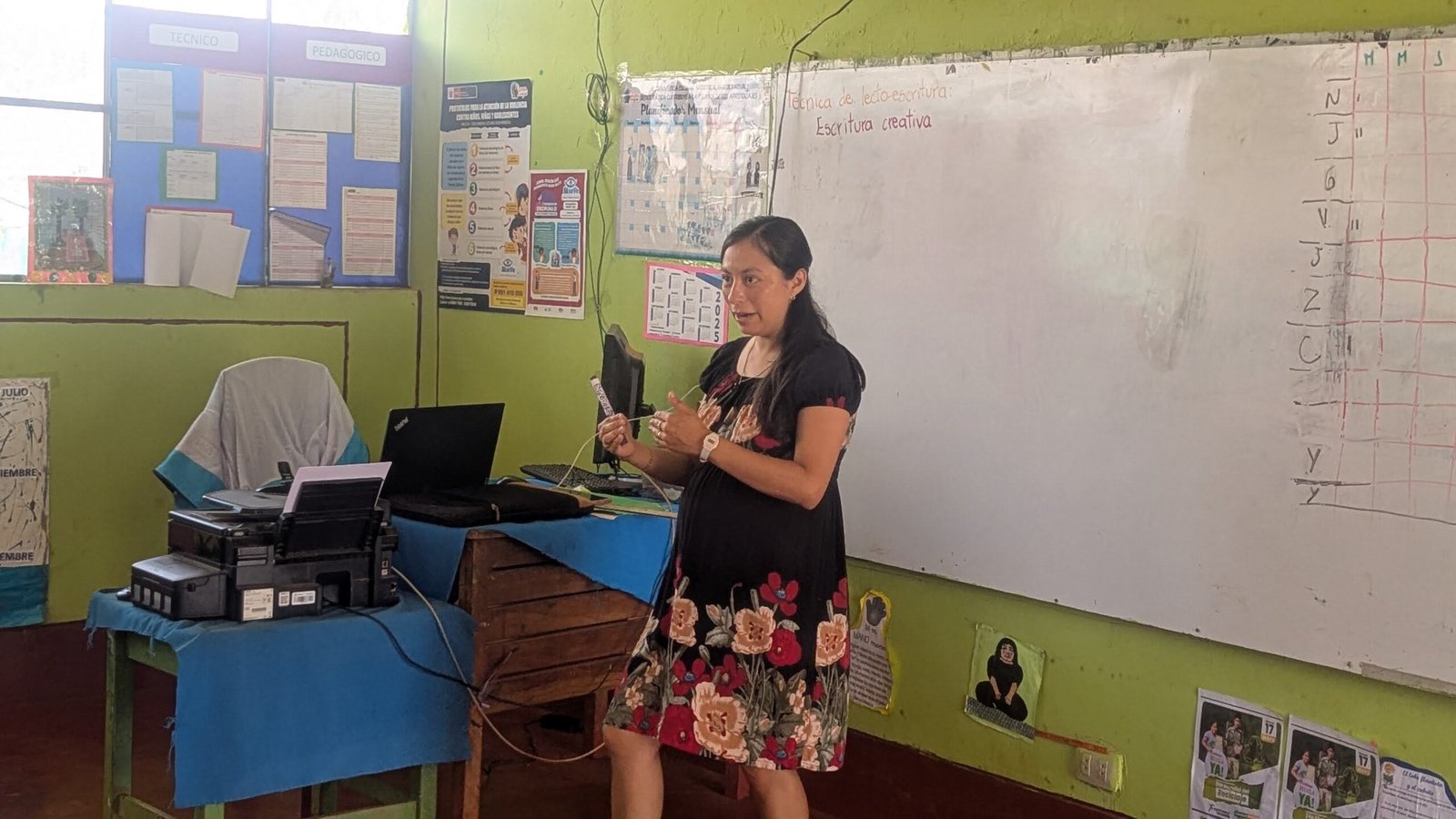
Nomatsiguenga is a living language, with young speakers and songs of its own, though today it is considered vulnerable. That is why language-development work matters: what Miriam does at the BMA helps the community itself sustain its language — literacy materials, workshops, local leaders who learn to read and teach in their own tongue.
For Pepe, who is from the Peruvian Amazon, this is not foreign to him. He knows what it is to grow up in this context, and that changes how he listens and accompanies.
Learning to read in your own language is recovering a part of yourself.
Miriam’s work with the nomatsiguenga begins with the most concrete thing: researching what they need in order to reach the goal of understanding what they read, because without understanding they will not be able to understand the Bible translation now under way. In other words, helping them develop fully in the language they already speak, already think in, already dream in.
That calls for materials that did not exist — primers, readers, glossaries — and workshops where the community itself learns to teach others. Because the goal is not to create dependence on missionaries: it is to build local capacity. It is the same thing that happened in Nehemiah 8:8, centuries before the word “literacy” existed: they read the law of God and explained its meaning, until the people understood what they heard. Teaching someone to read has always been part of giving them real access to their own faith.
Production of pre-reading and early-reading materials in nomatsiguenga
Literacy workshops with adults from the community
Training of local teachers in bilingual methodology
Collaboration with SIL’s Language Development team for South America
A ministry of support, for the other missionaries.
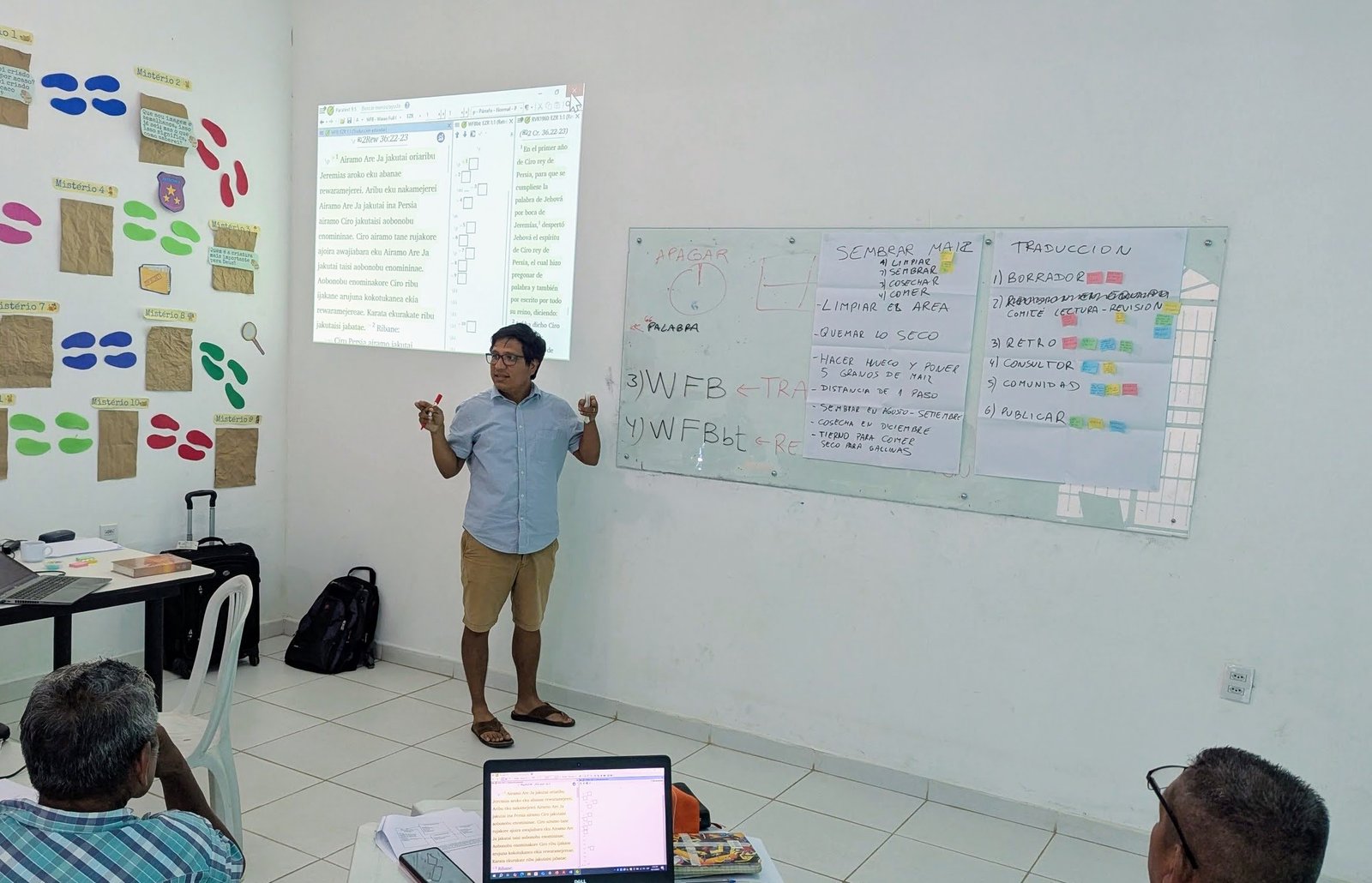
My work at the BMA is a ministry of support to others. I encourage my colleagues in their own work — Bible translation, promoting the use of the language, literacy, orality — and show them language-software tools that can strengthen what they already do.
Much of what I do is building bridges: helping the different areas of work coordinate with each other, joining technology and process.
Knowing is not enough. But it is the first step.
What happens at the BMA also happens in Colombia, in Brazil, in Mexico. Every person who prays, who gives or who shares what we do is part of that network. There is a place for you here.
Get involved