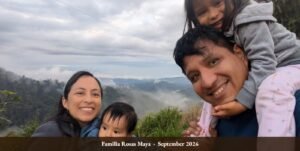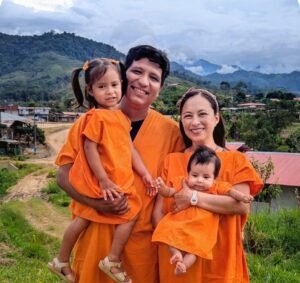
Yes, a Latin American can be a missionary
Leer esta entrada en español →
One night I made a deal with God.
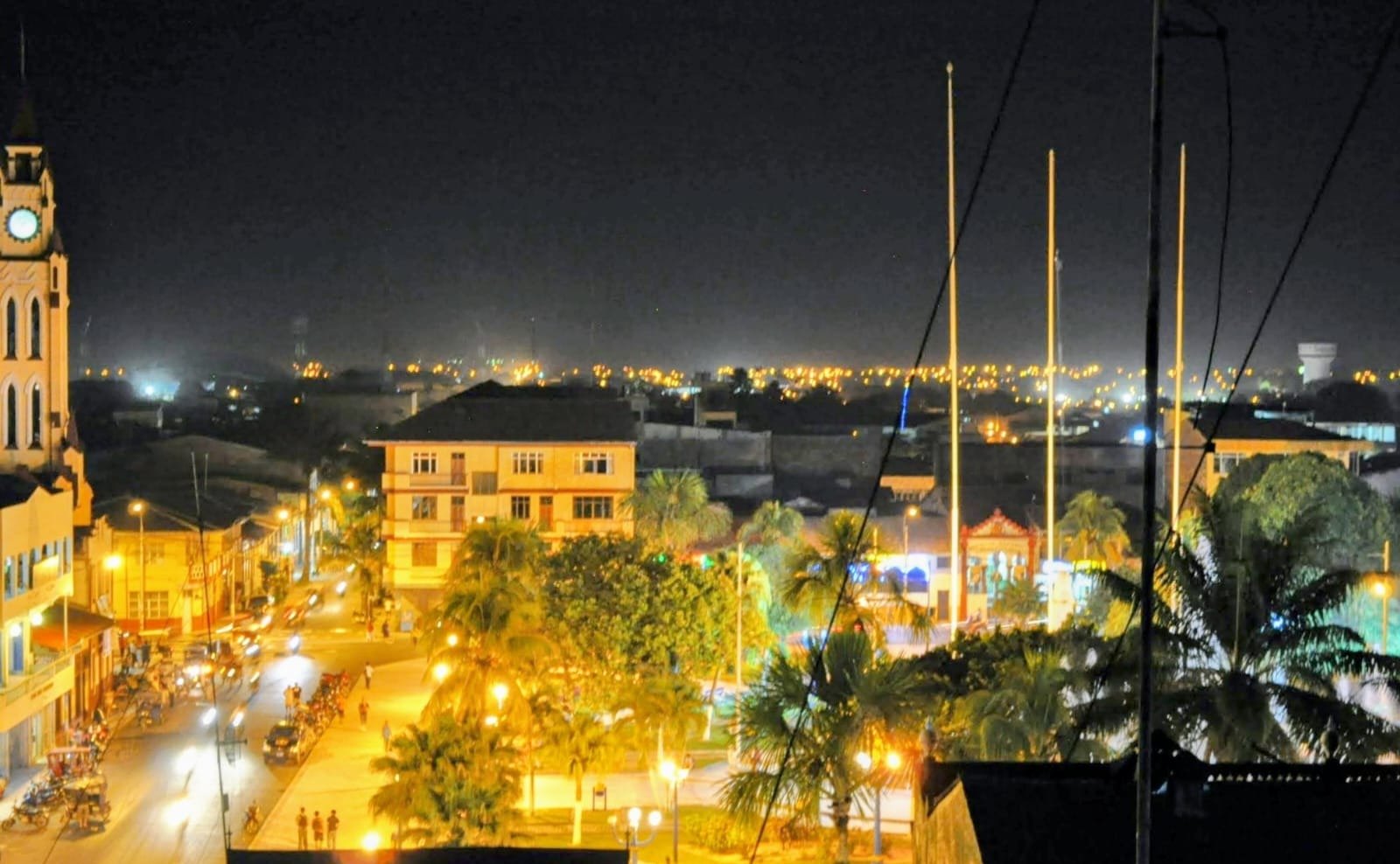
A few days earlier I had heard a pastor preach to the young people about being brave. Missions weren’t the heart of the message, if I remember right, but several things he said stuck with me. I walked home from the center of Iquitos to the far end of the city, where I lived, across from the lagoon. I kept turning over a decision that had been on my mind for years, and the days that followed were no different. Until the night of the deal came. I was already in bed and couldn’t sleep. I sat up and told Him, more or less like this: “Let’s make a deal. I’m sleepy, can’t you see? I have to be at work early tomorrow. I’m going to lie down: if you let me sleep, I will. If I keep thinking about this, then no.”
It took me years to get to that night. This is what I wish I had known.
I had plans. I had studied for a career that took real effort to finish, I wanted to be good at what I did and to have resources for my family. Giving that up was very hard. And even so, the Lord was good to me: He didn’t take my profession away, He gave me a new purpose for using it.
There was another fear, a stranger one: seeing myself as a missionary. It took me years to call myself that.
The hardest part wasn’t believing, it was knowing how. Almost no one in the churches knows the many ways to serve, at home and abroad. I don’t blame them: they never received that information either. I needed it, and I had to dig around among a handful of Christians I admired to find it. On the other side, the organizations in the field need you, but many don’t know how to integrate a Latin American, or don’t have the church as an intermediary to reach you. That is changing, little by little.
What they told me
“This is work for gringos.” In other words, our people aren’t capable of going, only of receiving.
“Raise support in Latin America? Ha.”
“A missionary? Only if you’re going to be a pastor and report baptisms.” Among indigenous peoples, the work begins long before any baptism: learning the language, writing it down, teaching people to read, translating.
“You’re crazy for leaving a good job,” a relative told me, very angry. Partly it was concern for my future, and I don’t blame him: in church almost no one explains to them what the need is.
Some of them hurt more than others. And yes, whoever is serious finds fewer structures than in other parts of the world and, at times, contempt from those closest. It’s not an easy path, nor a prestigious one. But time shows what moves you.
Why it’s all worth it
Here are some of the many Latin Americans who are serving today in different places around the world. They lent me their photos for this post:
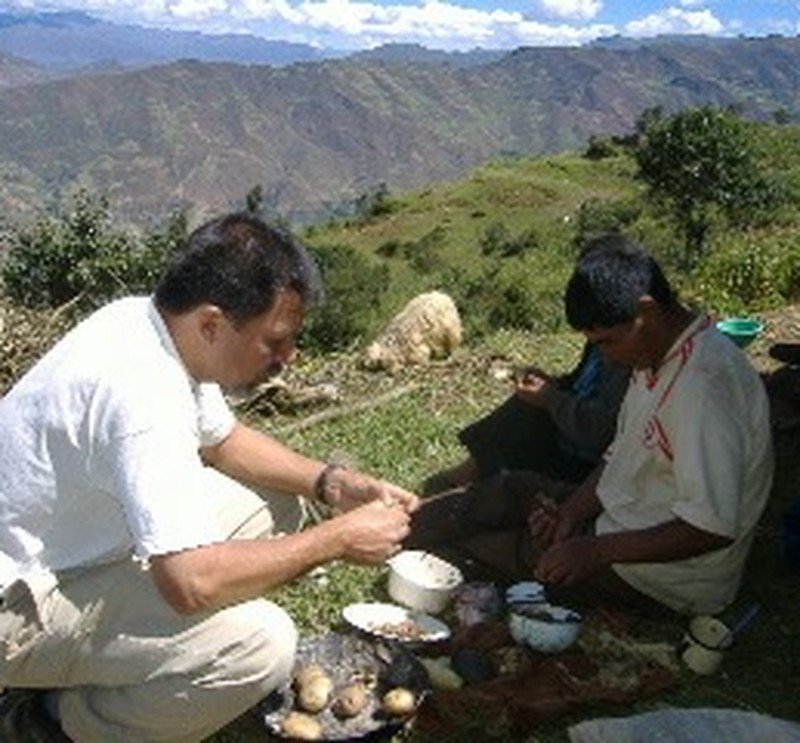
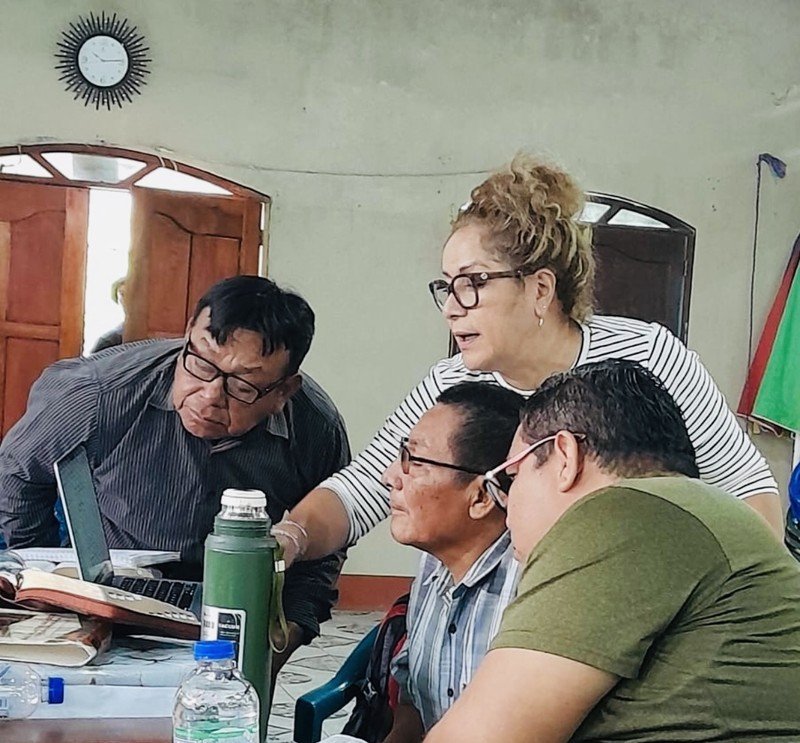
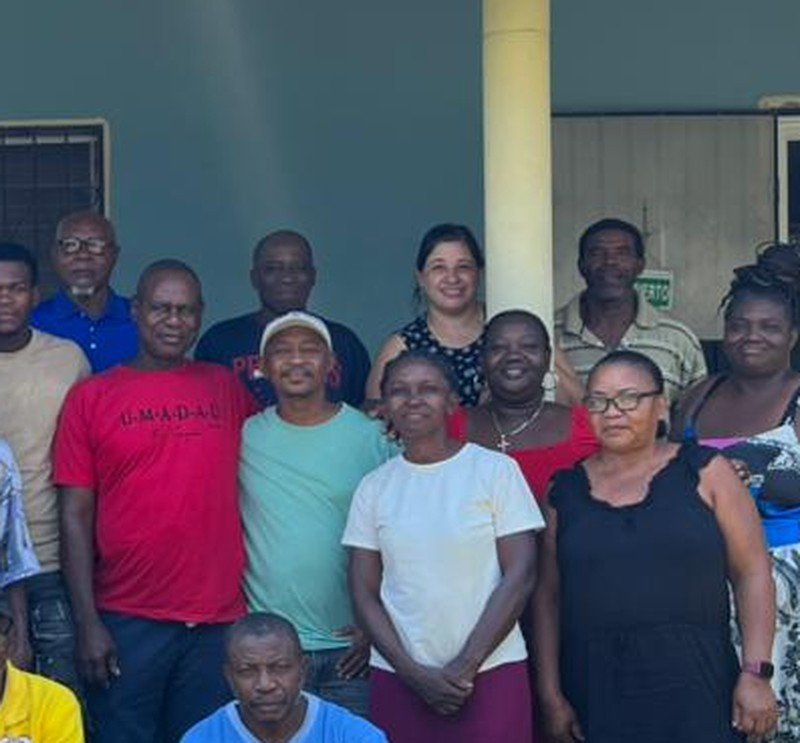
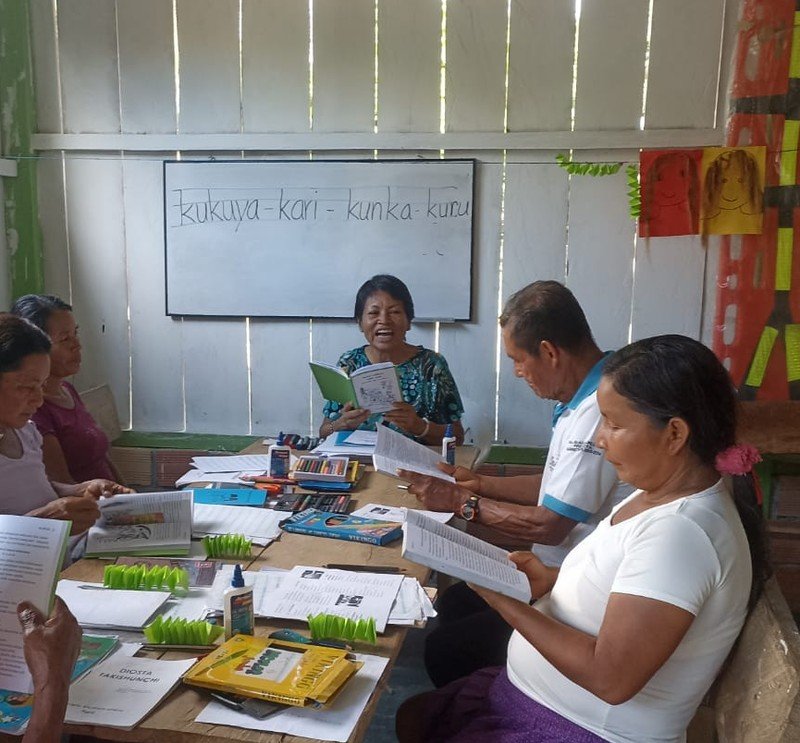
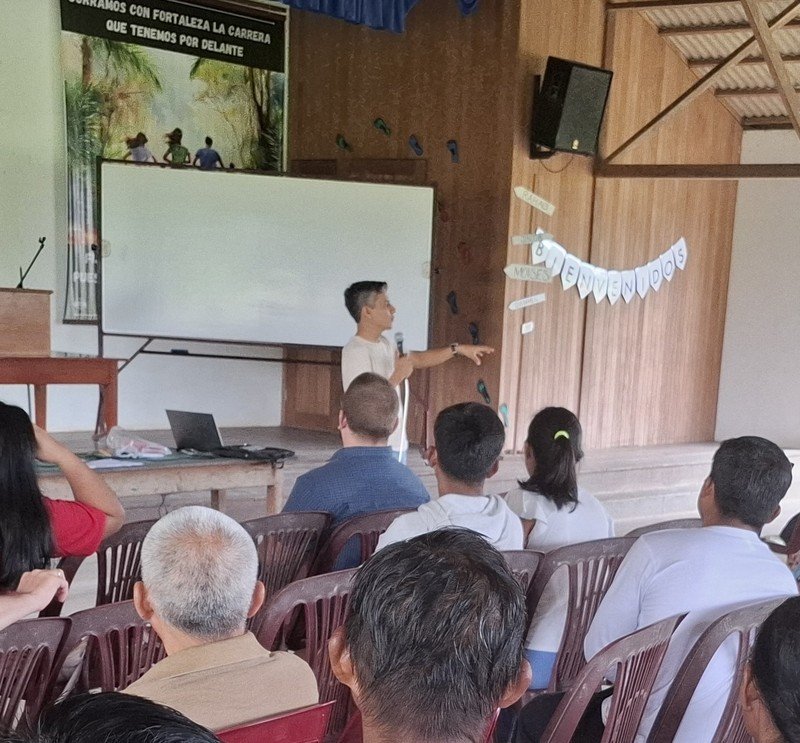
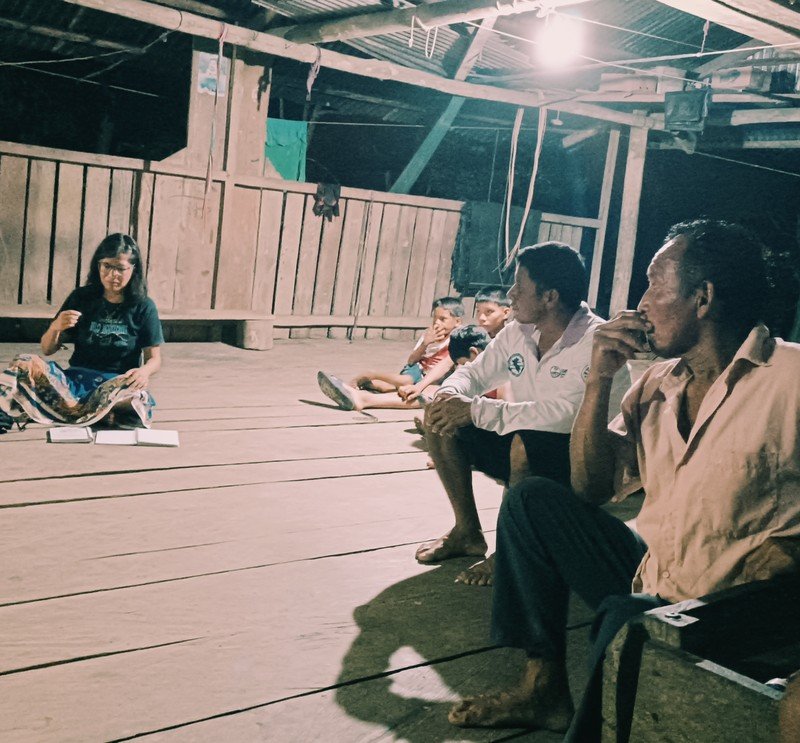
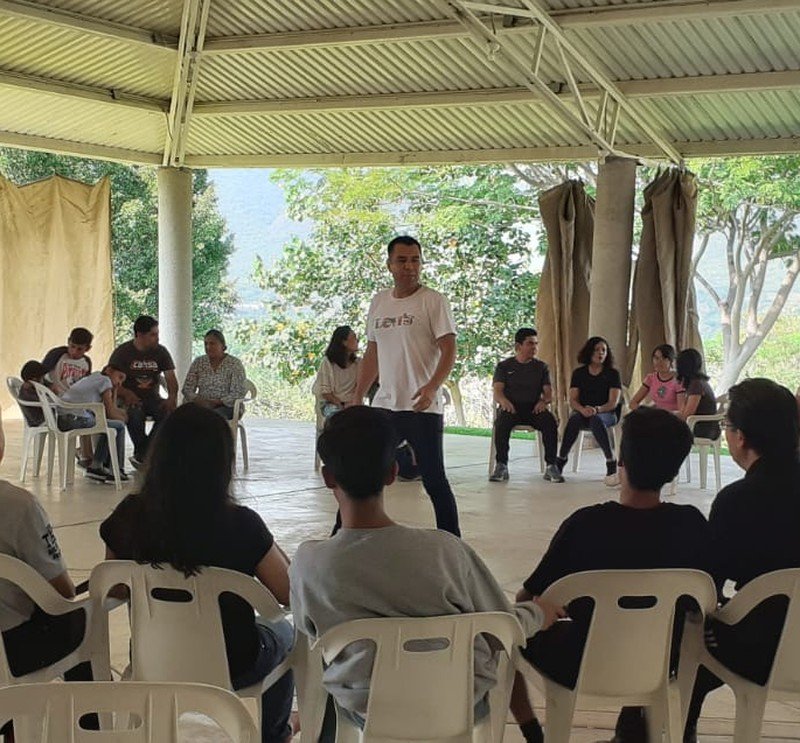
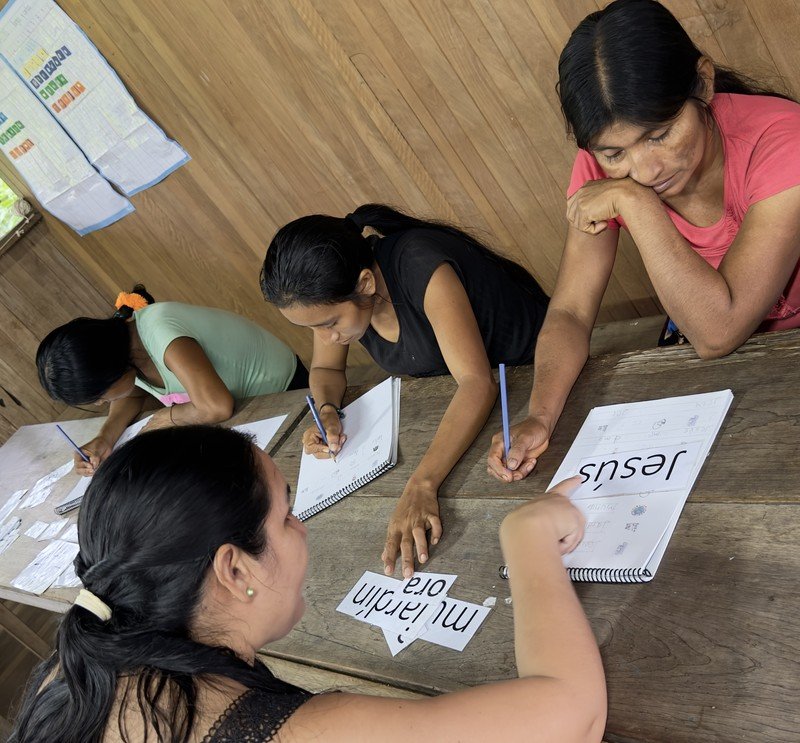
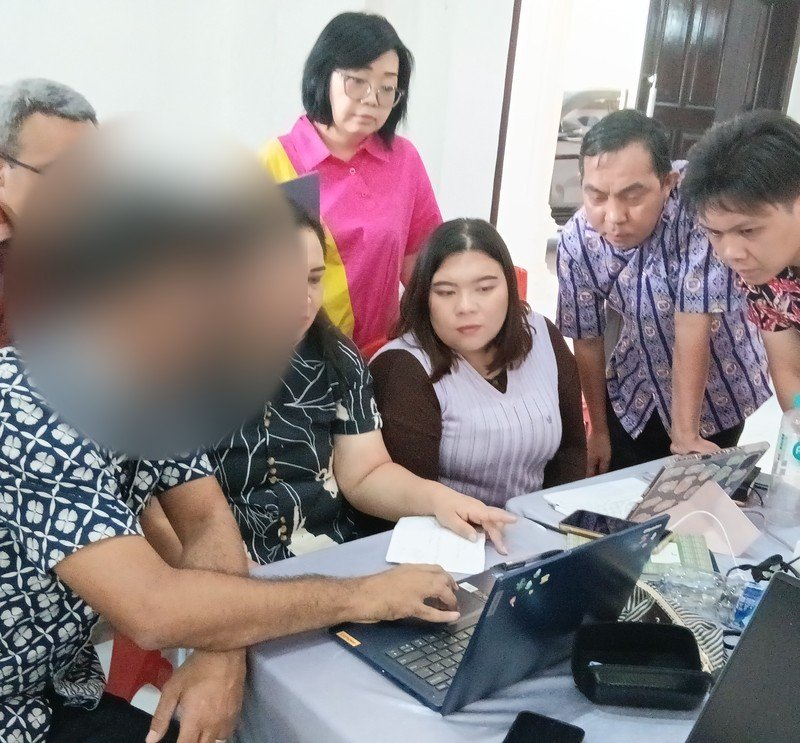
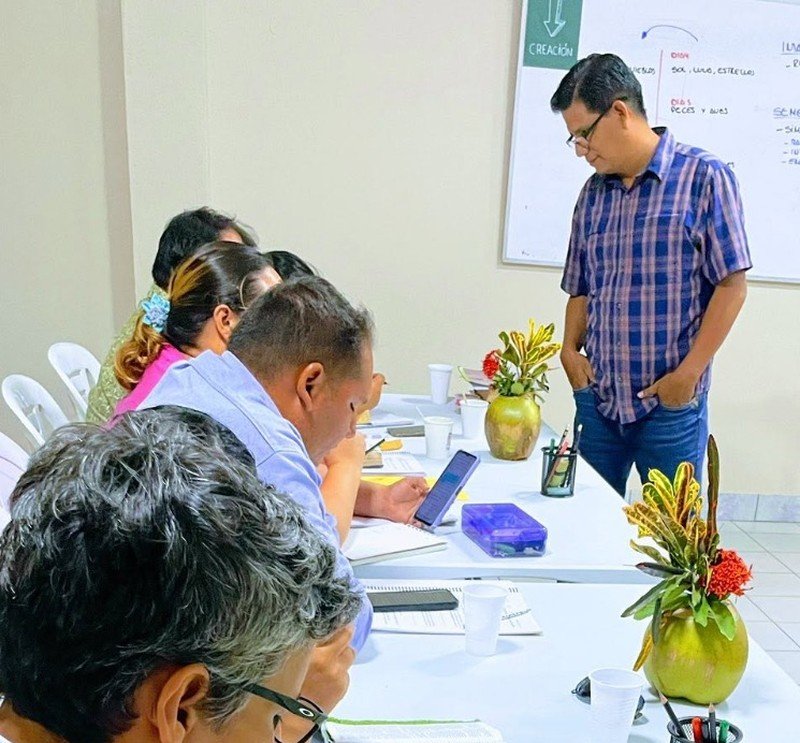
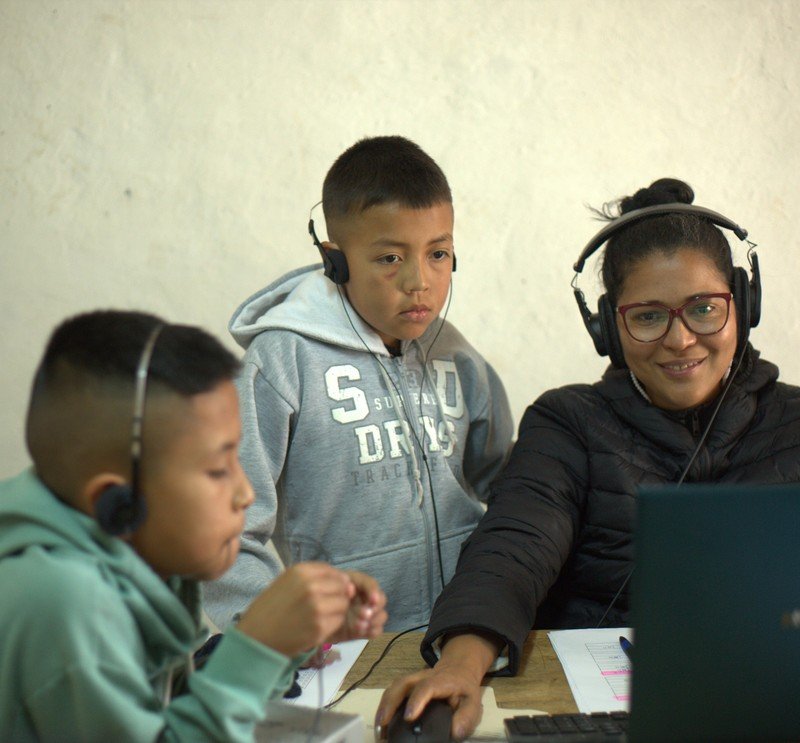
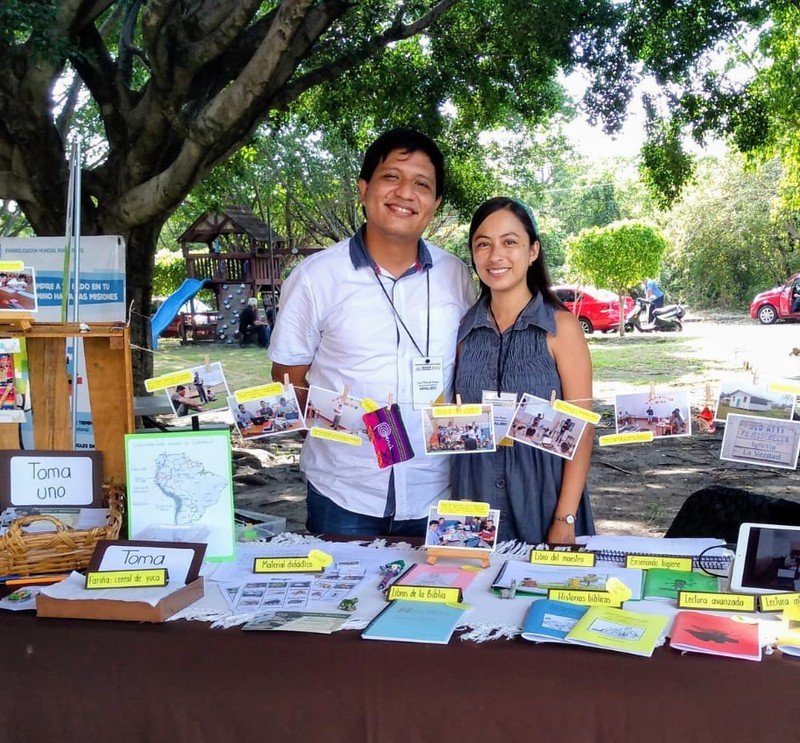
Each one could tell their own wonderful story of how they got here. Thank you for letting me show them.
I believe this is Latin America’s time. If we don’t take it seriously, I fear the Lord will make the stones cry out (Luke 19:40). It is worth it to take the gospel to those who still haven’t heard it, to open the way for those who come behind, and to honor those who, years ago, brought the gospel to our families.
I slept well that night. I didn’t remember the deal until lunchtime, when I went out to get something to eat. And I was genuinely happy. That day, like a leap into the void, I began making plans to leave my job in a few months and to find out how and where to prepare.
Your path doesn’t have to be like mine or like theirs. Even Miriam’s and mine weren’t the same. But if you’re turning that decision over in your mind, what does repeat is trust: a yes said before knowing the whole way.
If you’re thinking about this, write to us.
And if you are part of a local church and think some of this should be heard there, don’t hesitate to reach out, to us or to any missionary, to talk about the needs of the field.
Can a Latin American be a missionary? Yes, absolutely yes, and it is worth everything.
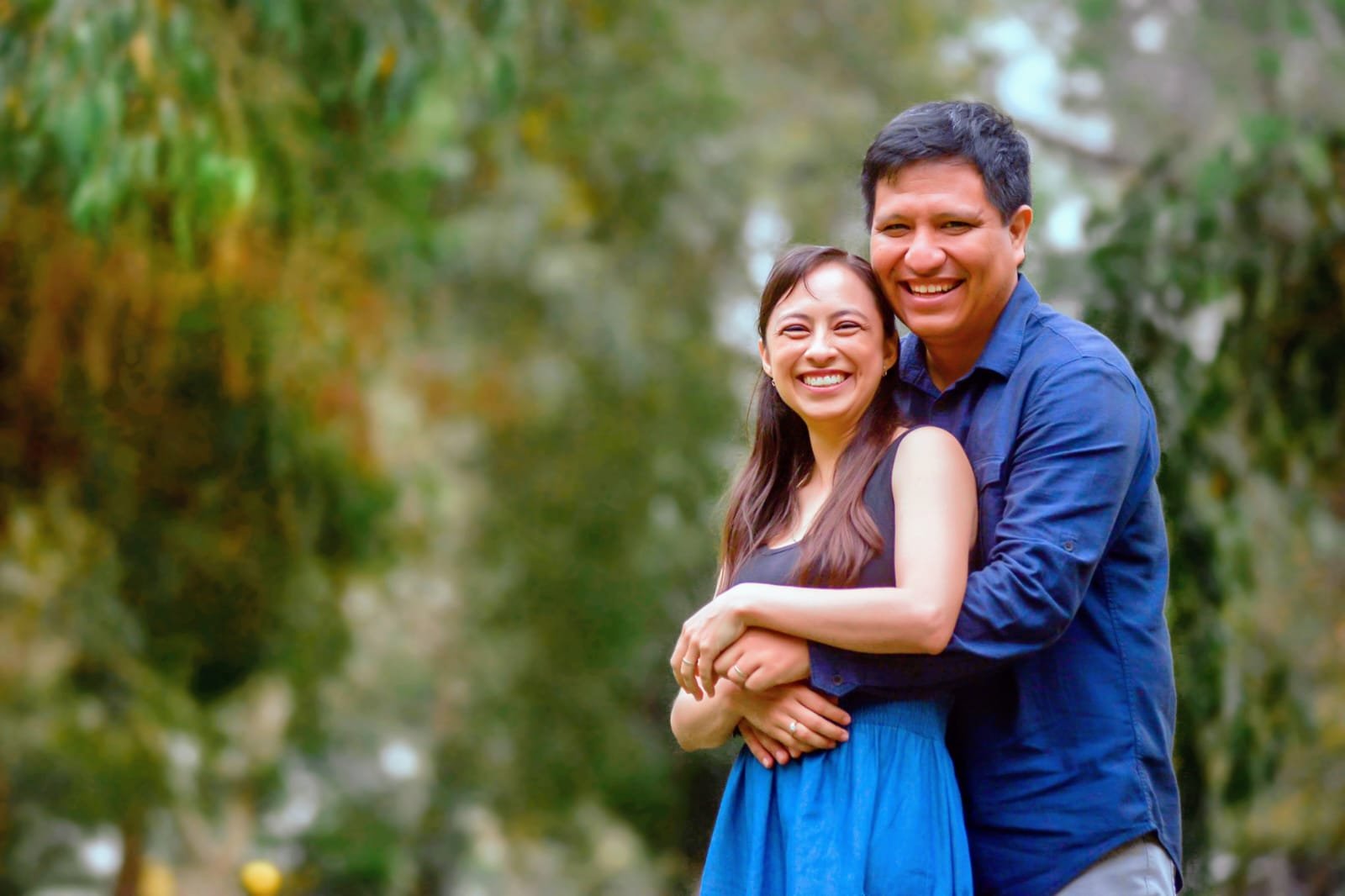
Pepe & Miriam
We are Pepe and Miriam, cross-cultural missionaries at Antioch Mission Center (Base Misionera Antioquía, BMA), and we also serve with SIL among indigenous groups across the Americas. Miriam in literacy and Language Development, Pepe as technology area coordinator, a bridge between technology and missionaries.
If you would like the next entries in this series in your inbox, leave us your email.